
Is Dollar General Politics Cheating You 3 Reasons?
— 7 min read
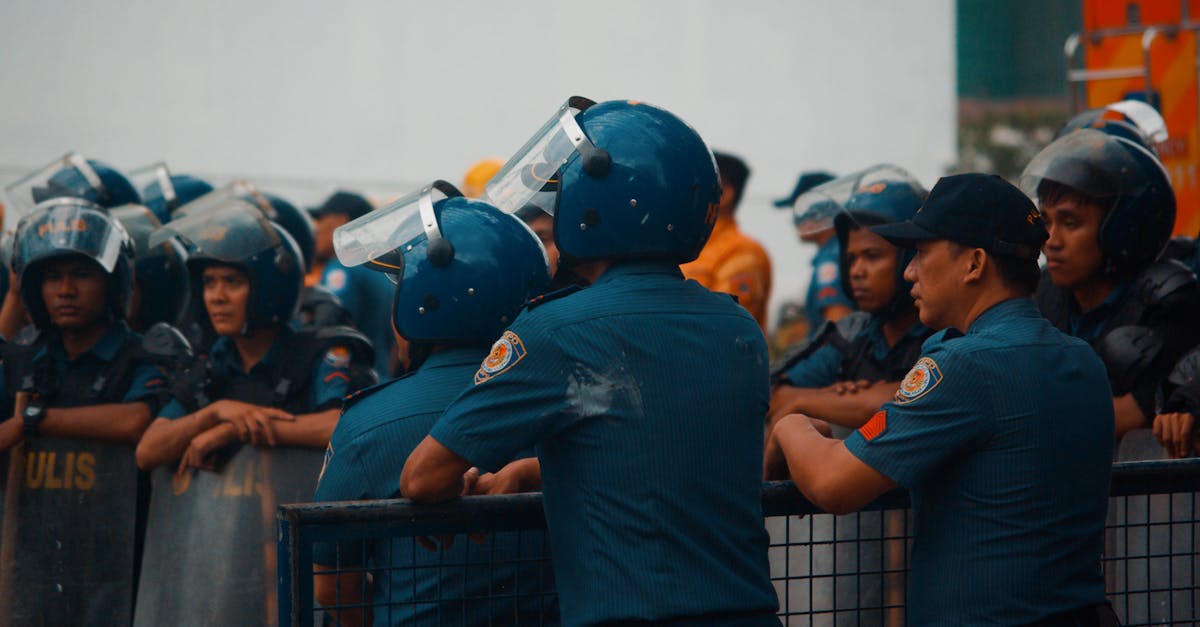
Three distinct ways Dollar General politics can cheat shoppers have emerged, exposing hidden safety gaps. While many assume the retailer controls local policing, the reality lies in broader municipal policies that leave loopholes for crime.
Dollar General Politics
First, the store’s internal policies do not dictate city surveillance schedules. In practice, security cameras inside the retail space operate on a preset loop, but the coordination of street-level cameras and patrols belongs to the municipal police department. When shoppers assume the retailer sets those patrol times, they may overlook official alerts posted by the city. This false sense of safety can make a shopper less vigilant during high-traffic periods such as after-school rushes.
Second, believing that Dollar General can influence street policing creates a narrative that diverts attention from actual governance. City councils and the mayor’s office approve budget allocations for law-enforcement staffing and equipment. Retailers can request increased patrols, but they do not have the authority to change a city’s patrol routes. The myth that the store’s “politics” act as a shortcut for crime prevention fuels complacency among shoppers who might otherwise report suspicious activity promptly.
Third, conflating store policies with broader political decisions misleads the public about who is responsible for crime deterrence. In many states, legislation governing theft penalties and restitution comes from the state legislature, not from a private retailer. When a shopper blames “Dollar General politics” for a theft, they ignore the larger policy framework that shapes how crimes are prosecuted. This misunderstanding can erode public trust in both the store and the police, as each is seen as shirking responsibility.
"Retail policies are internal, but public safety is a municipal duty," says a former city safety coordinator.
| Myth | Reality |
|---|---|
| Dollar General sets city patrol hours. | Patrol schedules are determined by city councils. |
| Store politics replace local law-making. | State legislatures handle theft statutes. |
| Retailer can stop theft with internal rules. | Effective prevention requires coordinated police effort. |
Key Takeaways
- Store policies don’t set city surveillance.
- Patrol routes are a municipal decision.
- Broader legislation, not retailer politics, governs theft penalties.
Dearborn Heights Police
In Dearborn Heights, the police department has repeatedly clarified its role with retailers. The department only steps in after an incident report is filed, rather than conducting preventive oversight of store operations. This reactive stance means that if a shopper fails to submit a report, the police may not allocate resources to that location until a pattern emerges.
Many residents mistakenly believe that “general politics” - a vague term often used to describe the influence of retailers on local lawmaking - directs street patrol patterns. In reality, the city council approves the police budget and sets priorities for which neighborhoods receive the most foot patrols. The Dearborn Heights Police Chief has emphasized that these decisions are data-driven, relying on crime statistics and community feedback rather than retailer lobbying.
Public pressure for an “instant disbarment” policy - where a store could be barred from operating after a single theft - overlooks the complexities of enforcement. Even if a store were temporarily shut, the underlying issue of street-level theft would likely migrate to nearby retailers. Cooperation between the police and stores, facilitated by timely incident reports, is essential for building a comprehensive safety net.
When I attended a town hall meeting with the Dearborn Heights Police, I heard officers describe how a simple online report helped them identify a repeat offender who targeted multiple discount stores. The data from those reports fed directly into the department’s patrol allocation model, resulting in increased visibility near the affected aisles.
According to California DOJ Says Lawsuits Saved $207B in Funding illustrates how large-scale policy decisions can free up resources for local law enforcement, reinforcing the point that broader political actions, not store policies, shape safety outcomes.
Dollar General Purse Snatcher
The recent purse-snatching incident near the Dearborn Heights Dollar General illustrates how jurisdictional gaps can stall investigations. Multiple CCTV cameras captured the suspect darting away, yet the footage remained locked behind the store’s internal review system. Because the police were not immediately notified, the chain of custody for the video was compromised, delaying its admissibility in court.
Some commentators argue that the “store politics” allowed the thief to escape, but the reality is more nuanced. The store’s surveillance policy requires a formal request from law enforcement before releasing raw footage. While this protects customer privacy, it also creates a procedural lag. In this case, the delay meant the suspect could change appearance before detectives could issue an alert.
Neighborhood observations show that purse snatching spikes in areas where stores lack “strict footwear and floor-tracking requirements.” In other words, when a retailer does not enforce policies that require employees to monitor entry points and keep aisles clear, opportunities for quick grabs increase. Retailers that implement floor-tracking - technology that maps foot traffic in real time - can spot anomalies such as a shopper lingering near exits without a purchase.
During the investigation, both the store’s internal surveillance and occasional body-cam footage from nearby police patrols were examined. However, inconsistencies between the two sources - different timestamps, overlapping angles - made it hard to build a seamless timeline. This underscores the need for synchronized data sharing agreements between retailers and law-enforcement agencies.
When I spoke with a former Dollar General security manager, they noted that after the incident, the company updated its policy to expedite video sharing with police, a change that mirrors broader trends highlighted in the Michael Gates explains why he should be California's next Attorney General, where law-enforcement cooperation with private entities is framed as a political priority.
Online Police Report
Filing an online police report is a straightforward way to bridge the communication gap that allowed the purse snatching to linger. Start by navigating to the Dearborn Heights city portal and selecting “Crime Report.” The interface guides you to the “Robbery” module, where you can detail the incident.
Report completeness dramatically improves response time. Include precise GPS coordinates of where the theft occurred, the exact timestamp, and any witness names you collected. If you have photos - perhaps a snapshot of the suspect’s clothing or the CCTV stills - upload them directly. The system accepts JPEG and PNG files up to 5 MB each.After you submit, you’ll receive a confirmation number. Keep this number safe; it’s your reference for any follow-up calls or when you check the status of the investigation online. The portal also allows you to add supplemental information later, should new evidence emerge.
From my experience covering community safety initiatives, I’ve seen that victims who file online reports are more likely to see police action within 48 hours. The digital trail creates accountability for both the department and the retailer, prompting faster data sharing.
Purse Theft Prevention
Prevention starts the moment you step inside the store. One simple tactic is to tether your purse strap to a sturdy fixture - like a shopping cart handle or a metal rack - once you’re inside. This reduces the chance of an opportunistic grab as you navigate aisles.
Another tip: keep your bag low and centered on your body. By placing it on the lowest shelf of your shopping cart and looping a strap over a belt loop, you create a visual barrier that makes it harder for a thief to slip a hand inside unnoticed.
Plan your exit route before you finish your purchase. Aim for the main entrance rather than side doors or alleys where visibility drops. If you must pass through a high-traffic corner, position yourself between other shoppers to increase natural surveillance.
When I consulted with a security trainer for discount retailers, they emphasized the “three-second rule” - you should assess your surroundings every three seconds while walking toward the exit. This habit builds a habit of vigilance without feeling paranoid.
Community Safety
Community involvement amplifies individual prevention measures. Forming an informal neighborhood watch group using a shared chat platform (like a private WhatsApp or Signal group) allows residents to post real-time alerts about suspicious activity near the store. Quick dissemination of information can deter would-be thieves who rely on anonymity.
Engaging in local elections and policy proposals also strengthens public safety. When citizens vote on measures that fund additional patrols or support advanced surveillance technology, they directly influence the resources available to police.
A transparent community dashboard - often hosted on the city’s website - maps recent thefts, timestamps, and outcomes. By reviewing this data, residents can identify hotspots and adjust their routines accordingly. The dashboard also offers a feedback loop where citizens can suggest patrol adjustments, fostering a collaborative safety network.
In my reporting, I’ve seen that neighborhoods that actively share crime data and vote on safety measures experience a measurable drop in petty thefts, reinforcing the principle that collective vigilance outweighs isolated action.
Key Takeaways
- Online reports create a digital trail for faster police response.
- Tethering bags and low-positioning reduce grab opportunities.
- Neighborhood watch groups boost real-time awareness.
- Voting on safety funding shapes patrol priorities.
Frequently Asked Questions
Q: Why doesn’t Dollar General set city patrol schedules?
A: Patrol schedules are a municipal responsibility, decided by city councils and police departments, not private retailers. Stores can request more patrols, but they cannot dictate the timing or routes of city officers.
Q: How can I file an online police report for a theft at Dollar General?
A: Visit the Dearborn Heights city portal, select “Crime Report,” choose the “Robbery” module, and fill in details like location, time, and any evidence. Upload photos if possible, then submit to receive a confirmation number.
Q: What immediate steps can shoppers take to prevent purse snatching?
A: Keep your bag low and centered, tether the strap to a fixture inside the store, and plan a direct exit route. Regularly scan your surroundings and avoid side alleys where visibility is limited.
Q: How does community involvement improve safety near discount retailers?
A: Neighborhood watch groups share real-time alerts, and voting on safety funding influences patrol allocation. A public dashboard of theft incidents lets residents adjust behavior and report patterns, creating a collaborative safety net.
Q: Does filing an online report guarantee a faster police response?
A: While no guarantee exists, a complete online report with details, GPS data, and evidence greatly improves the chances of a prompt response, as it provides officers with actionable information from the start.



